Los medicamentos, vacunas y productos biológicos sensibles a la temperatura requieren condiciones de almacenamiento en frío estrictas y estables. Incluso pequeñas desviaciones de temperatura pueden comprometer la eficacia, la seguridad y el cumplimiento normativo de los medicamentos. Por eso refrigeradores médicos , también conocido como refrigeradores de farmacia o refrigeradores biomédicos , son equipos esenciales en hospitales, farmacias, laboratorios e instituciones de salud pública.
A diferencia de los refrigeradores domésticos, las unidades de grado médico están diseñadas específicamente para mantener un control preciso de la temperatura y garantizar un almacenamiento farmacéutico seguro.
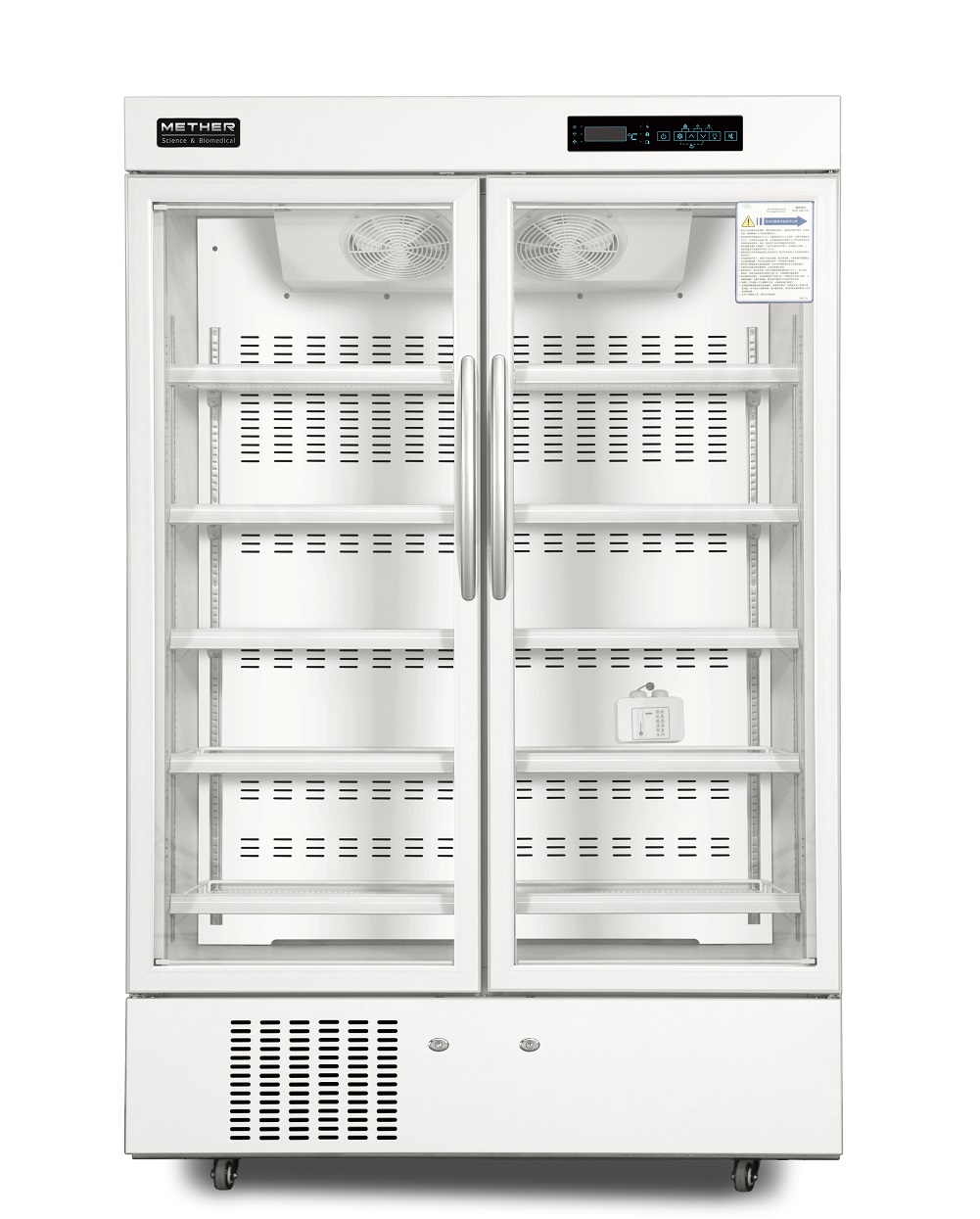
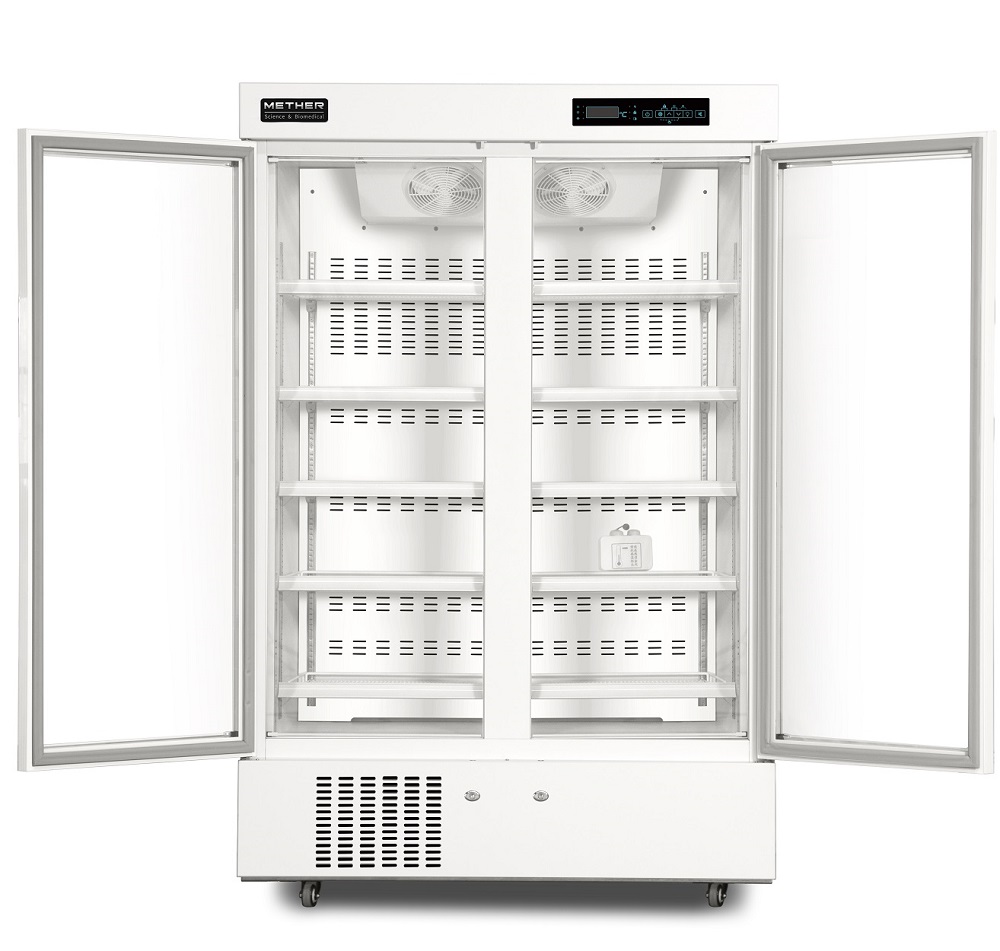
A refrigerador médico Es un dispositivo de almacenamiento en frío profesional diseñado para almacenar medicamentos, vacunas, reactivos, insulina, enzimas y otros productos biomédicos.
La mayoría de los refrigeradores médicos funcionan dentro de un Rango de temperatura de 2 a 8 °C , el estándar globalmente aceptado para el almacenamiento farmacéutico. Estas unidades están diseñadas para cumplir con los requisitos médicos y de laboratorio, garantizando estabilidad de temperatura, flujo de aire uniforme y monitoreo continuo.
Los refrigeradores médicos utilizan sistemas de control avanzados para mantener la precisión de la temperatura, a menudo dentro de ±1 °C o mejor. Este nivel de precisión es fundamental para preservar la potencia del fármaco.
El enfriamiento por aire forzado asegura una distribución uniforme de la temperatura en todo el gabinete, eliminando puntos fríos o calientes que podrían dañar los productos almacenados.
Las alarmas integradas proporcionan alertas en tiempo real para:
Temperatura alta o baja
Fallo de energía
Puerta dejada abierta
Mal funcionamiento del sensor
Estas características reducen el riesgo de variaciones de temperatura inadvertidas.
|
|
Muchos refrigeradores de grado farmacéutico admiten el registro y la exportación de datos de temperatura, lo que ayuda a las instalaciones a cumplir con los requisitos de auditoría, inspección y documentación reglamentaria.
Algunos modelos avanzados están equipados con sistemas de refrigeración duales , respaldo de batería o aislamiento térmico extendido para proteger los medicamentos almacenados durante interrupciones de energía.
|
Característica |
Refrigerador médico |
Refrigerador doméstico |
|
Precisión de la temperatura |
Alta (±1°C) |
Bajo |
|
Uniformidad de temperatura |
Circulación de aire forzado |
Desigual |
|
Sistema de alarma |
Estándar |
Ninguno |
|
Registro de datos |
Disponible |
No disponible |
|
Cumplimiento |
Normas médicas y farmacéuticas |
No conforme |
El uso de un refrigerador doméstico para almacenar productos médicos puede provocar inestabilidad de temperatura, pérdida de productos y violaciones regulatorias.
Los refrigeradores médicos se utilizan ampliamente en:
Farmacias hospitalarias
Clínicas y centros de vacunación
CDC e instituciones de salud pública
Laboratorios de investigación y diagnóstico
Instalaciones de fabricación y almacenamiento de productos farmacéuticos
En estos entornos, el almacenamiento confiable de la cadena de frío es esencial para evitar el deterioro de los medicamentos y garantizar la seguridad del paciente.
Al seleccionar un refrigerador médico, tenga en cuenta los siguientes factores:
Rango de temperatura y estabilidad (2–8 °C es el estándar)
Capacidad de almacenamiento basado en el volumen del medicamento
Funciones de alarma y monitorización
Opciones de registro de datos y conectividad
Cumplimiento de las normativas y estándares locales
Elegir el modelo adecuado ayuda a reducir el riesgo operativo y los costos a largo plazo.
¿Se pueden utilizar refrigeradores médicos para almacenar vacunas?
Sí. Los refrigeradores médicos están diseñados específicamente para el almacenamiento de vacunas y cumplen con los estándares de estabilidad de temperatura requeridos.
¿Los refrigeradores de las farmacias necesitan funcionar de forma continua?
Sí. El funcionamiento continuo es esencial para mantener la consistencia de la temperatura y proteger los medicamentos almacenados.
¿Qué ocurre durante un corte de energía?
Muchos refrigeradores médicos están equipados con alarmas, baterías de respaldo o protección térmica para proteger los productos almacenados durante cortes de energía.
¿Con qué frecuencia se debe calibrar un refrigerador médico?
Se recomienda una calibración regular, normalmente una o dos veces al año, según los requisitos reglamentarios.
Un confiable refrigerador médico Es un componente fundamental de la gestión de la cadena de frío farmacéutica y biomédica. Con un control preciso de la temperatura, una monitorización avanzada y el cumplimiento normativo, los refrigeradores de grado farmacéutico ayudan a proteger medicamentos valiosos y a garantizar la seguridad del paciente.
Invertir en el refrigerador médico adecuado no solo tiene que ver con el equipamiento: también tiene que ver con proteger la calidad de los medicamentos, el cumplimiento normativo y la confianza.
Llámanos : +86 139 5604 5681(Tiempo de trabajo)
Correo electrónico : menglw@zkduling.com
Móvil & WhatsApp : +86 139 5604 5681
Dirección de fábrica : NO1, Hexianghu Road,Shuangfeng E&D Zone, Changfeng,Hefei,Anhui ,China

© Derechos de autor 2026 Anhui Zhongke Duling Commercial Appliance Co.,Ltd Reservados todos los derechos.
Xml | política de privacidad |